 shotdayPlan my week
Protein shakes or food?
Meal ideas, not medical advice. Updated 27 November 2026
Food first when you can eat it, a shake when you can't. By USDA figures a third of a cup of whey powder has about 25 g of protein, close to 3 oz of roast chicken breast (26 g), but whole foods also bring fiber and keep you full longer.
Side by side
| Food | Serving | Protein | Calories | Protein per 100 cal |
|---|---|---|---|---|
| Whey protein powder | 1/3 cup (about 1 scoop) 32 g | 25 g | 113 | 22 g |
| Chicken breast, roasted | 3 oz cooked 85 g | 26 g | 140 | 19 g |
| Greek yogurt, plain, nonfat | 1 container 170 g | 17 g | 100 | 17 g |
| Tuna, light, canned in water | 1 can, drained 165 g | 32 g | 142 | 23 g |
| Cottage cheese, 2% | 1/2 cup 113 g | 12 g | 92 | 13 g |
| Egg, hard-boiled | 1 large egg 50 g | 6.3 g | 78 | 8.1 g |
| Tofu, firm | 1/2 cup 126 g | 22 g | 181 | 12 g |
| Lentils, cooked | 1 cup 198 g | 18 g | 230 | 7.8 g |
| Milk, 2% | 1 cup 244 g | 8.1 g | 122 | 6.6 g |
Source: USDA FoodData Central (SR Legacy). Food IDs and method.
When a shake helps
- On shot day and the day after, when solid food won't go down.
- When you are short of your protein goal late in the day.
- When you have no time to cook: it takes two minutes.
Shotday's chocolate protein shake has 34 g of protein and its kiwi protein smoothie has 30 g.
What food gives you that a shake does not
Fiber, mostly. A cup of cooked lentils has 16 g of fiber and a cup of black beans 15 g, which help with the constipation many people get on a GLP-1. Chewing and a real plate also help you notice when you are full.
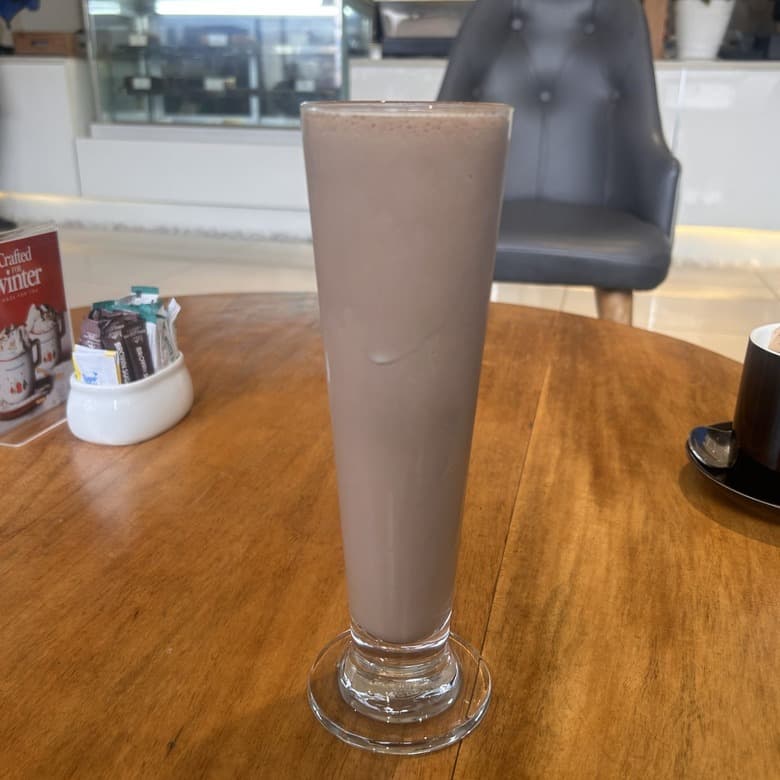 34gChocolate protein shakeSnack · 2 min · gentle
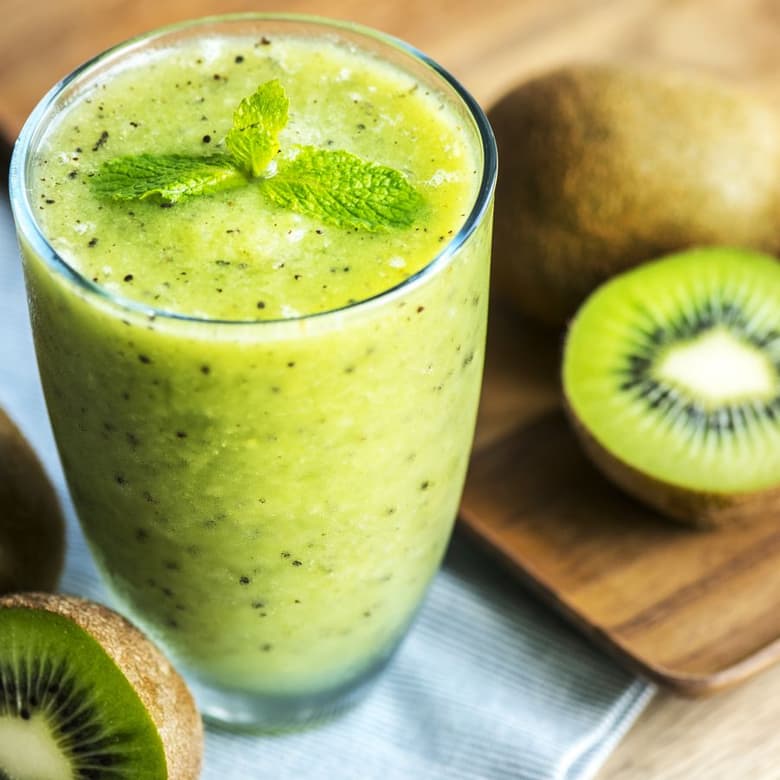 30gKiwi protein smoothieBreakfast · 4 min · gentle
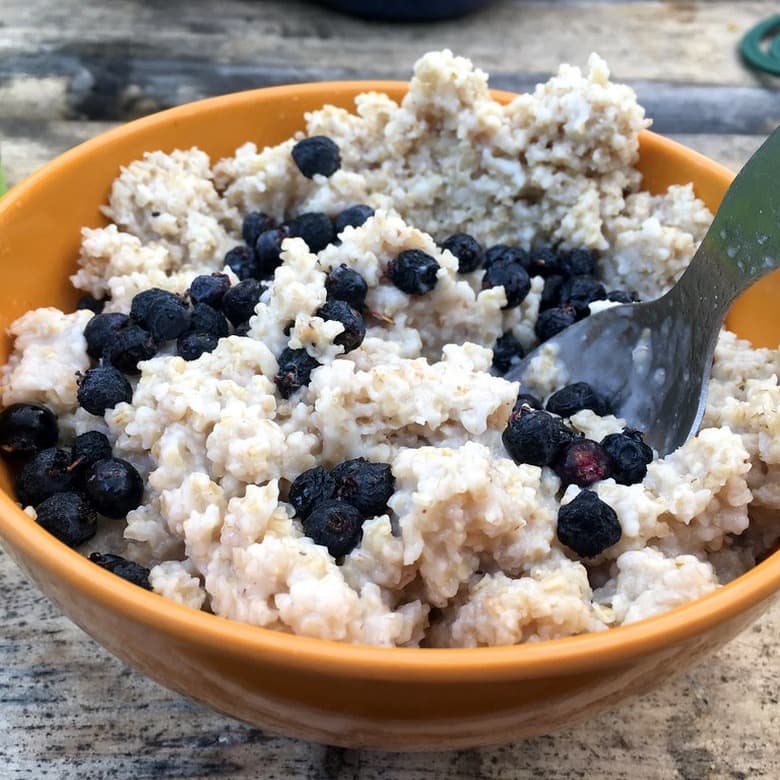 32gProtein overnight oatsBreakfast · 5 min · gentle
Questions
Can I replace meals with protein shakes on a GLP-1?
Some people do on their worst days. Over a whole week, food gives you fiber and more variety, so most people use shakes to fill gaps rather than replace every meal. Ask your prescriber or dietitian what suits you.
How much protein is in a protein shake?
It depends on the powder and the milk. USDA lists whey protein powder at about 25 g per third of a cup (about a scoop). Made with a cup of 2% milk (8.1 g) that is over 30 g.
What is the best protein shake for GLP-1?
One you can drink easily that has 20 to 30 grams of protein and not much sugar. Read the label for grams of protein per serving.